
The Over-40 Vitality Blueprint
Simple, science-backed habits to help you navigate your body's most powerful phase.
The Shift: Your New Power Phase
Think of 40 not as a slowing down, but as your body shifting into a more sophisticated gear. It isn’t breaking down; it’s just changing its "operating system," and it's asking you to lead with more intention.
We’re moving away from the old "no pain, no gain" mentality. Instead, we’re choosing precision.
By making small, smart adjustments to how we move and eat, we’re actually talking to our DNA-telling our cells to stay strong, keep the energy high, and resist the natural tendency to lose muscle.
At the end of the day, taking care of yourself this way is the ultimate act of self-respect. It’s a daily promise to show up fully for the people and the life you love.

The "Rusty Classic Car" Secret
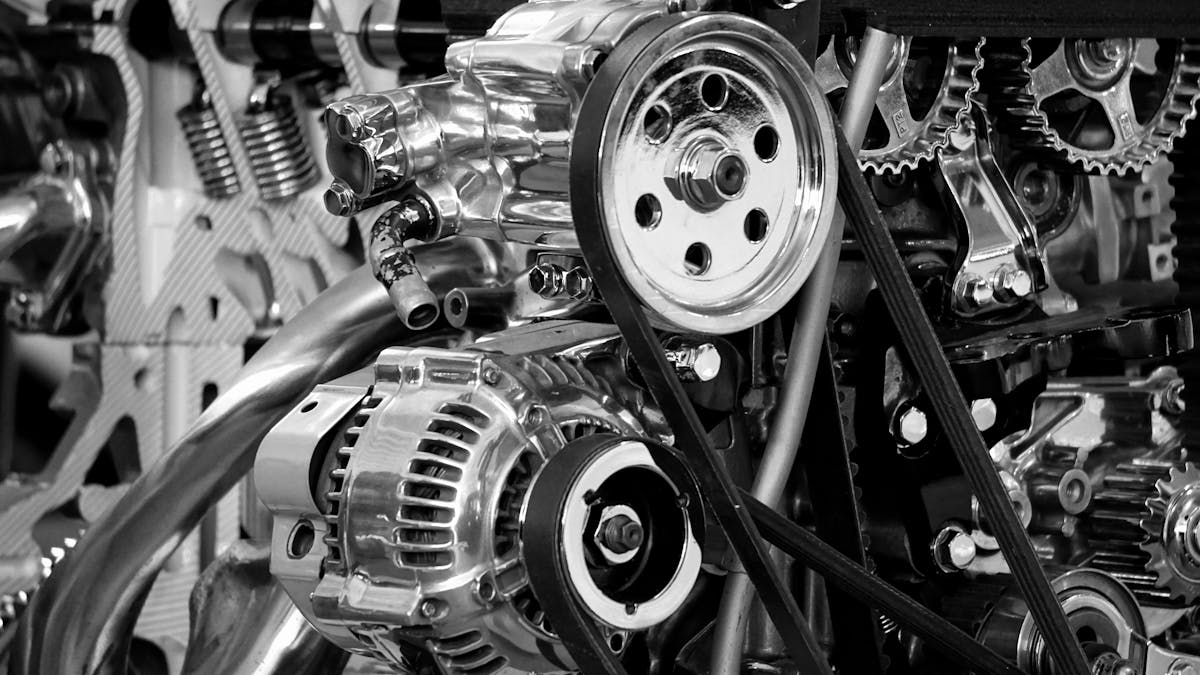
Think of your body after 40 like a 1960s Mustang. In your 20s, you could redline the engine, skip oil changes, and use the cheapest fuel, and it would still roar down the highway.
But now? You’re a "Classic." You’re actually more valuable and more powerful than a new car, but you’re picky. If you treat a Classic like a beat-up sedan, the engine starts to knock.
You aren't "getting old." You’re just shifting to Premium Fuel only. These habits are the tuning your engine needs to outrun people half your age.
The Fading CEO
Imagine a CEO who stops showing up. The staff (your muscles) get bored and quit. The janitors (your metabolism) stop cleaning. Pretty soon, the building is a mess.
When you do these 4 habits, you’re slamming your fist on the desk and telling your cells: "I’m still the boss!"
The Shift: Your New Power Phase
Think of 40 not as a slowing down, but as your body shifting into a more sophisticated gear. It isn’t breaking down; it’s just changing its "operating system," and it's asking you to lead with more intention. This blueprint is simply the new set of instructions to help you navigate that change.
We’re moving away from the old "no pain, no gain" mentality. Instead, we’re choosing precision. By making small, smart adjustments to how we move and eat, we’re actually talking to our DNA-telling our cells to stay strong, keep the energy high, and resist the natural tendency to lose muscle.
At the end of the day, taking care of yourself this way is the ultimate act of self-respect. It’s a daily promise you make to yourself to stay vibrant and capable, so you can show up fully for the people and the life you love.